
European Solidarity Center


 4.810578 reviews
European Solidarity Center
Dlaczego warto odwiedzić European Solidarity Center
How to get to European Solidarity Center
The walk from the center of Gdańsk to the European Solidarity Center takes about 20-25 minutes. ECS is located at Solidarności Square.
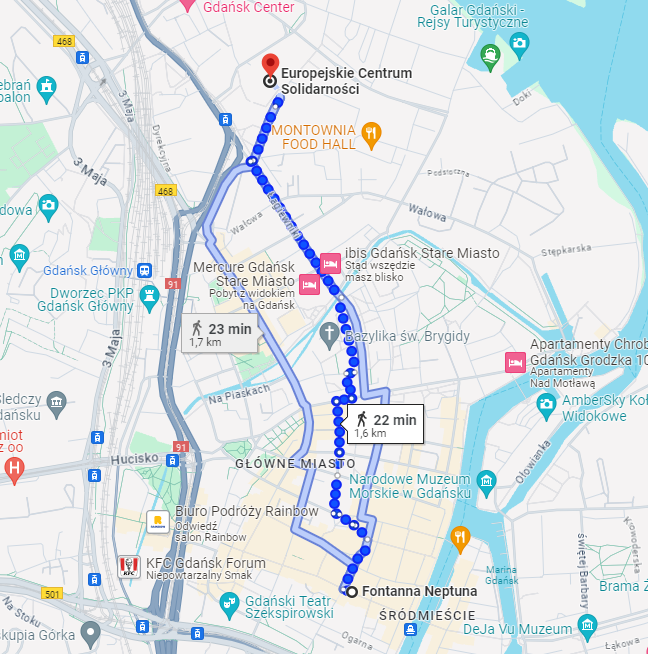
The European Solidarity Center has an underground parking lot with 287 spaces. You can also use nearby parking spaces according to the paid parking zone in Gdańsk.
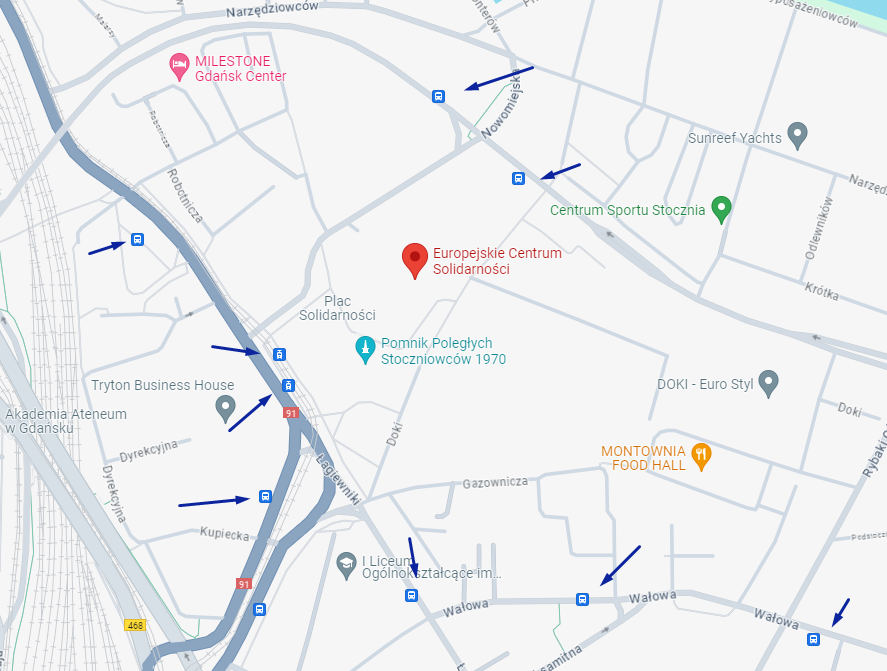
To get to the European Solidarity Center in Gdańsk by public transport, you can use the tram or bus:
- Tram: Line 2, 3, 6, 7 or 8 – get off at the “Dworzec Główny” stop. From there, walk about 10 minutes.
- Bus: Lines 100, 106, 111, 123, 131 or 151 – get off at the “Brama Oliwska” or “Wały Piastowskie” stop. From there, walk about 5-10 minutes.
What exhibitions will you see in European Solidarity Center
This part of the exhibition is finished in dark colors, reflecting the gloomy atmosphere of that period. Here you will find, among others: TV sets with a speech by General Wojciech Jaruzelski, the militia STAR, a wall of Zombie shields and a reconstruction of prison cells. An important element is the commemoration of the miners murdered in the “Wujek” mine through a fragment of the miners’ cloakroom with plaques with their names.
In this part of the exhibition you can see a fragment of the debate between Lech Wałęsa and Alfred Miodowicz and the reconstructed Round Table, which symbolizes negotiations leading to democratic changes in Poland. Exhibits related to the June 1989 elections, such as election posters, are also on display here.
This segment is devoted to the events of December 1970, when bloody clashes occurred between protesters and the security services in Gdańsk and other Polish cities. The exhibition includes memorabilia from the protests, such as clothes belonging to the dead and injured, and a reconstruction of the office of Jacek Kuroń, an important figure of the democratic opposition. You can also see SB documents and photographs of detained protest participants here.
European Solidarity Center Google reviews:
Excellent4.8Excellent10578 reviewsPosted on Google
 David K3 November 2026
 A very beautiful building behind the original shipyard gate. The exhibition is elaborately designed and in some parts very detailed and engaging. Unfortunately, the history from the mid-1980s onward, the crucial part, is only presented very superficially. The consequences of the revolution, the collapse of the movement, and its highly controversial reception among the Polish population today are sadly not addressed at all.
(Translated by Google, see original)Posted on Google Raghu T2 November 2026Its a huge building, its reminds me one of big buildings from sci fi moviesPosted on Google
 Ewa P31 October 2026Unfortunately, the place is disappointing. The only two interesting places on the family tour are the shop counter and the room, but you can also see them in the PRL museum. Furthermore, it's a place full of reading material for people who lived as adults during Mr. Wałęsa's term. Hence my one star rating. The tickets don't match the price. Upon arrival, we're greeted by a Ukrainian sign...embarrassing.
(Translated by Google, see original)Posted on Google Walter H31 October 2026An exceptional structure, well-organized, with an excellent exhibition, a turning point in the liberation of Poland, and beyond, from communism.
(Translated by Google, see original)Posted on Google Pablo M30 October 2026Everyone who comes to Gdansk should visit it. It's a very important part of 20th-century history. It was the first thing I did.
(Translated by Google, see original)Posted on Google Andrzej P30 October 2026Posted on Google
 Msb30 October 2026A wonderfully presented exhibition, very informative and not boring at all. We had an audio guide.
(Translated by Google, see original)Posted on Google Andrew I29 October 2026Wonderful museum full of facts, images and videos detailing the struggles of the shipworkers (and other workers) of Gdansk to gain better workers rights, and later, to fight against the martial law and authoritarianism of the communist government of the People's Republic of Poland: puppets of the USSR. Heroes all.Posted on Google
 Falbala D29 October 2026The audio guide is really good and included in the ticket price. The main exhibition is large and very informative.
(Translated by Google, see original)Posted on Google Martina P29 October 2026The height of unhelpfulness and arrogance. The museum is supposed to be open until 6 PM in October. Nobody even acknowledges your greeting and without any explanation they block access to the ticket counters so you cannot buy tickets. This is what the place looked like at 4 PM on a Thursday. There was no information posted anywhere explaining why tickets were no longer being sold and there was no additional information on the website either. We are always happy to support projects like this, but unfortunately, this is one we can neither support nor recommend.Posted on Google
 Radiox29 October 2026A moving place. Despite the drastic passage of time, with all its strange developments, the spirit of the fighters against communism and tyranny is still palpable here. It is regrettable that it was not possible to preserve and open up any part of the site of the important shipyard as a memorial to contemporary history. At least this center exists as a place for reflection and remembrance.
(Translated by Google, see original)Posted on Google Francesco T29 October 2026Five stars is the easiest to give. This museum is amazing, both in terms of its displays and the length and depth of the topics covered, including period films, storytelling, and scenic setting. In my opinion, the masterfully crafted audio guide is essential, and it's free with your ticket. It lasts about two hours.
(Translated by Google, see original)Posted on Google Martin A28 October 2026A very well-presented exhibition, covering everything from the beginning of the shipyard workers' demonstrations and the founding of the trade union to the free elections. The audio guide was excellent; as soon as you enter a room, the narrator automatically begins to tell the story, and it's never boring. This is an exhibition not to be missed.
(Translated by Google, see original)Posted on Google Matteo M28 October 2026A very well-organized interactive museum that recounts a delicate period in the history of Poland and Gdańsk. Spread across seven rooms and two floors, the ticket costs 40 zloty and also includes an audio guide (available in Italian). The two-hour visit typically stated refers only to listening to the audio guide; if you want to delve deeper into certain aspects during the visit, the duration can easily be extended to 3-4 hours. It's well worth it for anyone passing through Gdańsk.
(Translated by Google, see original)Posted on Google Alice27 October 2026what a great place. we came on a rainy day and learnt so much. the audio guide is great. we also saw the temporary ship exhibition which was worth the extra. the cafe serves good coffee and nice food.Posted on Google
 Valentina27 October 2026A museum to understand Poland's political and revolutionary history over the last century. Immersive and interactive. Entertaining for the same reason. The audio guide is available in many languages and works perfectly. It activates depending on which rooms you're in. It explains everything very well. The building is beautiful, offers free clothing storage, and there are also cafes where you can get coffee. It has a rooftop terrace with views. It's recommended to allow 2-3 hours to complete the tour (check closing time).
(Translated by Google, see original)Posted on Google Jan202626 October 2026What an amazing museum. Cleverly laid out with brilliant audio commentary. We spent three hours here and it was very interesting and incredibly moving. At approx £7.50 each- what value for money. Highly recommended!Posted on Google
 Bill B26 October 2026Did the 2.5 hour tour and found it very interesting. If you're interested in in this period of Polish history focused on the emerging solidarity movement then this is a must.Posted on Google
 Jacek K26 October 2026Posted on Google
 Edy P25 October 2026This place is a must-see if you're in Gdansk. An example of achieving freedom while maintaining peaceful conduct.
(Translated by Google, see original)Posted on Google Bartek K25 October 2026A unique place... Headphones for 1.5 or 2.5 hours... but a quiet place for the whole day...
(Translated by Google, see original)Posted on Google Szymon Ł25 October 2026Posted on Google
 Julia K25 October 2026A wonderful place with a piece of very important post-war history. The well-prepared audio guide makes it easy to visit and navigate. I 100% recommend it, especially to those born after these events. It allows us to understand the significance of the movement and its impact on subsequent history, not only in Poland.
(Translated by Google, see original)Posted on Google Evelyn M25 October 2026Great exhibition. Lots to see. Give yourself at least 3 hoursPosted on Google
 Kasia K23 October 2026A modern and interesting place that presents the history of Solidarity in an engaging way. It features numerous authentic materials, photos, and exhibits that allow you to experience the atmosphere of those times. It's worth seeing!
(Translated by Google, see original)Posted on Google Kit K23 October 2026Learn about the polish struggle for independence through their SOLIDARITY labor movement! An excellent museum with a high caliber, carefully curated exhibit on this critical moment in both Polish and EU history!Posted on Google
 Weronika Z22 October 2026A very well-done museum! It's definitely worth a visit, and the audio guide adds a lot.
(Translated by Google, see original)Posted on Google Marek O22 October 2026For someone who lived through those times, it's a strange feeling. I have the impression that the "truth," at 80%, glorifies "Solidarity" and ignores ordinary people/workers. I have mixed feelings.
(Translated by Google, see original)Posted on Google Jankaistraveling21 October 2026At first, it was an enormous museum with a library and a great exhibition. It was a beautiful piece of architecture. The staff were really friendly and helpful. I really appreciated the Polish relationship to their past. I met numerous school groups in museums in Gdansk. I am not Polish, but I was very interested in this part of Polish history. But that's where I need to stop. We didn’t take an audio guide and had to go back for it after a while. Without an audio guide, foreigners don't have any context. There’s no any intro in the first exposition on begin. I was looking for information on how the strike started, but I only found a small table with a few lines close to the digital map in the middle. There was no information about what was happening on the digital map in the first exhibition. We wandered around the room feeling a little lost. We returned for the audio guide, which was well prepared, and everything started to make sense. We had a great experience from this visit. But what about deaf people? Or people who don't speak english? Neighbourhood countries don't have their language in audioguide. I was full of impressions and wanted to buy a book about the history of post-war Poland in the gift shop. I asked the staff, but there were only a few photography books with English descriptions. I bought the large white 'Solidarność' publication containing great photos and texts about the main initiators of the strike. However, when I started reading, I discovered that the longer texts were poorly compiled, consisting of a collage of texts from the exhibition with timeline gaps. I also looked for a book in a bookshop in the city and in the Institute of Urban Culture, but I wasn’t successful. As far as I know, the European Solidarity Centre also publishes books. I don’t know their area of expertise, and I understand there may be reasons behind this situation, but just maybe a tip. Smirk :)Posted on Google
 Brzozowy W20 October 2026Posted on Google
 Katarzyna Ł20 October 2026Posted on Google
 Dominika J20 October 2026Posted on Google
 Jerzy W20 October 2026Regardless of age. Some use it for refresher training, others for learning. It should be mandatory in high school.
(Translated by Google, see original)Posted on Google Mariusz U20 October 2026Posted on Google
 Barbara Z19 October 2026Posted on Google
 Anna K18 October 2026I highly recommend this museum; it's very interesting and modern, and fully captures the history and spirit of those times. Definitely have the audio feature!
(Translated by Google, see original)Posted on Google Miks M18 October 2026As a Latvian, I am deeply affected by this entire experience. It stands among the most moving moments I have found in any museum. I would recommend it entirely. Beyond that, the architecture itself is exceptional. Well done, Poles!Posted on Google
 Kevin L18 October 2026Fascinating museum housed in a beautiful large building. Highly recommended if you are interested in Eastern European politics or history.Posted on Google
 Anna L17 October 2026This place made an incredible impression on me. I won't write anything...you have to come and see it for yourself.
(Translated by Google, see original)Posted on Google Tiberiu-Ionuț D17 October 2026A nice history lessonPosted on Google
 Piotr B17 October 2026Posted on Google
 Anna O17 October 2026A very interestingly curated permanent exhibition, and a well-designed audio guide. Information is presented clearly, outlining the context of the times in question.
(Translated by Google, see original)Posted on Google Marlène M15 October 2026A magnificent building, with rooms extremely well-stocked with videos, photos, and artifacts. Go up to the 6th floor to discover the terrace with its view of the different buildings. The provided audio guide is automatic, giving you the feeling of having your own private guide. Entry is 40 zloty per person (€9), and you can easily spend 3 hours there.
(Translated by Google, see original)Posted on Google Nico T14 October 2026A tremendously interesting museum. Here you will find everything about the bloody uprisings against the Russian regime that took place in the city of Gdansk, but especially at the Gdansk Lenin shipyard. This ultimately resulted in the official founding of the Solidaridad trade union. This ultimately proved to be the impetus for the liberation of all occupied countries behind the Iron Curtain. Thus, the birth of Europe as we know it today began here.
(Translated by Google, see original)Posted on Google Tobias B13 October 2026In times where solidarity is desperately required this museum is paving a way. Excellent architecture met with an interesting and fascinating approach to polish history and the movement that turned European history in a new direction without violence and hate. Such a great day and I am humbled by the achievements of the polish people.Posted on Google
 Kasia M12 October 2026Posted on Google
 Nicola D11 October 2026A brilliant place to visit and the view from the top of the cranes is a mustPosted on Google
 Alicja B10 October 2026Posted on Google
 Fabrizio P10 October 2026A museum with a beautiful structure and spectacular content. Take the audio guides.
(Translated by Google, see original)Posted on Google Sebastian Z10 October 2026A visit to the European Solidarity Centre in Gdańsk is an extraordinary history lesson and an opportunity to reflect more deeply on the fight for freedom, dignity, and human rights. The exhibitions are incredibly interesting, rich in photos, documents, and memorabilia, allowing for a better understanding of the events that changed Polish history. The presentation of the story of "Solidarity" and the people who had the courage to fight for a better future is particularly impressive. It's a moving place, thought-provoking, and a reminder of the immense value of freedom. I highly recommend visiting this place for both adults and younger generations. It's worth coming here to learn about history, feel its significance, and see for yourself the immense power of solidarity! 🇵🇱
(Translated by Google, see original)Posted on Google Marek B9 October 2026Posted on Google
 Katarzyna D9 October 2026A beautiful place full of history. Ballet of Lights, a beautiful story told through dance.
(Translated by Google, see original)Posted on Google 오희은9 October 2026You can go up to the 6th-floor observation deck for free. The building itself is meaningful and has a unique design, so it was fun to look around the interior, and I think the souvenir shop is the best in Gdansk.
(Translated by Google, see original)Posted on Google Siarhei Z8 October 2026A very cool place, a history that you need to know, it's an example, especially for us Belarusians😉 many useful activities for foreigners. There is an audio guide in Belarusian. Thank you very much ❤️👊❤️
(Translated by Google, see original)Posted on Google Anna6 October 2026One of the best museums I've ever visited. Excellent exhibitions, great exhibits, and a wealth of information. I highly recommend it, plus the rooftop garden.
(Translated by Google, see original)Posted on Google Anna M5 October 2026I'm absolutely thrilled with the building, the museum itself, and the exhibition. It's great to meet people from different generations and exchange information and memories. And that phone booth... oh my!
(Translated by Google, see original)Posted on Google Marta W4 October 2026The intimate space of the auditorium made watching the ballet "Sleeping Beauty" even more enjoyable. The staff were friendly and helpful. I was pleasantly surprised that the Solidarity Center hosts such events. I hope there will be more cultural events like this ❤️
(Translated by Google, see original)Posted on Google Alicja J4 October 2026Posted on Google
 Szatek3 October 2026A place everyone should visit. The history of the Solidarity movement, martial law, and the surrounding circumstances is presented in a vivid way, including through interactive installations, which should particularly appeal to younger audiences.
(Translated by Google, see original)Posted on Google V H3 October 2026One of the best modern Poland history museum in Gdańsk and social space for small communitiesPosted on Google
 Patrycja P3 October 2026I'm absolutely thrilled with my visit to the ECS! I loved everything about it, from A to Z. The unique architecture and superb location perfectly complement the interior. The exhibition itself is world-class, and the fantastic audio guide makes history literally come alive. This isn't just an ordinary museum; it's an incredible experience. I highly recommend it to everyone!
(Translated by Google, see original)Posted on Google P R3 October 2026A well-organized museum worth visiting at least once in your life.
(Translated by Google, see original)Posted on Google Leon F3 October 2026An impressive museum – architecturally stunning alone, it's absolutely worth seeing. The exhibition is modern, very well presented, and conveys the subject matter in an understandable and engaging way. As a German, you learn an incredible amount here about the Solidarity movement and the crucial role it played in the end of the communist system in Poland and ultimately in the collapse of the Eastern Bloc. The entrance fee is perfectly reasonable. Overall, a very successful, modern museum that we would definitely recommend.
(Translated by Google, see original)Posted on Google José F3 October 2026European Solidarity Center - ECS Or Solidarity Museum and next to it the Monument to Fallen Workers Or Monument to Fallen Workers Monument to Fallen Workers next to the Solidarity Museum The Monument to Fallen Workers 1970 is a monumental monument in the shape of three crosses with anchors, located in Gdańsk, Poland. What it means and its history • Tribute: The Monument to Fallen Naval Workers of 1970 honors more than 40 people killed during the workers' protests of December 1970 against the totalitarian regime • Inauguration: It was inaugurated on December 16, 1980, after the Gdańsk Agreements that created the Solidarity trade union. • Historical significance: It is considered the first monument dedicated to the victims of communist oppression erected in a country of the former Soviet bloc. Photos next to the monument: The strike at the shipyards, the people bringing bread to the strikers, the tension awaiting a military assault and even a massacre, and the agreement where the first free trade union in the communist world was created, which was supposed to be a paradise for workers. The goal of Solidarity was a union without government control, without parties or bosses. The interior and panorama of the Gdansk shipyard area of the museum, with a video of the historical moments of the creation of Solidarity and the panoramic terrace. And a reproduction of the interrogation room that could last for hours. Incidentally, Lech Walesa was a rival of the famous L and they detested each other.
(Translated by Google, see original)Posted on Google Adamk3 October 2026Posted on Google
 Franek2 October 2026Posted on Google
 Przemysław D2 October 2026Great museum. Really worth visiting even if you are not from Poland. Take the audioguide as it helps a lot and gives you a better perspective on the whole movement of Solidarność. We were there at Tuesday where the entrance was for free. The queue was big but it moved really fast. Go to the rooftop. There are some nice views of the city.Posted on Google
 Patryk P1 October 2026The building is, in my opinion, beautiful. The exterior aesthetic is breathtaking, although the quality of the main exhibition doesn't quite live up to my expectations. The exhibition is attractive, but rather short.
(Translated by Google, see original)Posted on Google Ewa N1 October 2026A unique place in many ways: exhibition, conference space, flawless view from the roof and the whole look
(Translated by Google, see original)Posted on Google Dj30 September 2026i remember the Solidary movement with lech Welensa very well, from my high school days. As a Canadian, this was extremely interesting and demonstrated the strength of the Polish people. In particular Polish women. The entire country stood up to be counted. This was a huge element that sparked the dissolve of the Soviet Bloc, so interesting, Easy 5 starsPosted on Google
 Christina V30 September 2026The exhibition gives knowledge and insight into the local history and the a building is great.Posted on Google
 Peter A29 September 2026Love the communist history in this docklands museum proud of the polish uprising no fearPosted on Google
 Marek N29 September 2026Amazing. A must-see for anyone interested in our recent history.
(Translated by Google, see original)Posted on Google Birgit K29 September 2026Posted on Google
 3B M29 September 2026Posted on Google
 Tomasz Ł29 September 2026Posted on Google
 Marcin29 September 2026The museum is modern, spacious, and boasts an interesting exhibition. For anyone who remembers the 1980s, it's not particularly surprising, although it does contain a few gems, including an original plaque with the August Demands. In my opinion, it's an excellent place for foreigners to explore an important part of Polish history.
(Translated by Google, see original)Posted on Google Marcin E28 September 2026Posted on Google
 Valery28 September 2026Don’t miss out visiting the European Solidarity Centre if you’re in Gdansk. I highly recommend that you include it in your places to visitPosted on Google
 Big B27 September 2026Very educational great place to visit...!👍😉Posted on Google
 Biagio D27 September 2026An important stage for experiencing a historical period of primary importance relating to the struggle of the Polish workers' movement.
(Translated by Google, see original)Posted on Google Joanna K27 September 2026Posted on Google
 Anton P27 September 2026The exhibition is top-notch; a couple of hours flew by! Be sure to go up to the sixth floor—the rooftop terrace with its panoramic view of Gdansk and the historic shipyards is a perfect complement to your visit. Highly recommended!
(Translated by Google, see original)Posted on Google Artur D27 September 2026Posted on Google
 Adam H27 September 2026Amazing building with well-created content. Highly recommend the permanent exposition, bistro and also free entrance on the roof.Posted on Google
 יעקב ק26 September 2026Solidarity Museum. The building is very beautiful, the architecture is extraordinary. They illustrate the situation in Poland before the outbreak of the protest and the rise of Lech Walesa and the change of government in Poland. Very interesting.
(Translated by Google, see original)Posted on Google Jörg26 September 2026Very commendable...there are audio guides...plan for at least 2 hours, more likely 3.
(Translated by Google, see original)Posted on Google Tom E25 September 2026An amazing place to learn so much about communist-era Poland and the Solidarity movement's fight against the regimePosted on Google
 Christian S25 September 2026Seeing this memorial site honoring the various workers' movements under the communist era serves as a reminder that freedom often comes at a high price. Thank you to these "fighters" for freedom of expression. Let us never forget them!
(Translated by Google, see original)Posted on Google Tg54825 September 2026As someone who enjoys learning about modern history, especially the cold war era in Europe, this was a must see. Spacious area and you know you are walking in the recent path of momentous change, not just for Poland but for Europe and a recent events show, the World. Really enjoyed myself and highly recommend if this type of event interests you.Posted on Google
 Jordan Y25 September 2026One of the best museums I’ve ever visited! A great exhibit with a well designed audio guide. Highly recommended!Posted on Google
 Chris R24 September 2026Well run, and extremely informative. An important part of social history that doesn't need to get overlooked.Posted on Google
 András P24 September 2026It is a modern, imposing, beautiful building, a masterpiece of modern architecture. The lobby is also monumental. When I visited there, on a weekday, there were hardly any visitors.
(Translated by Google, see original)Posted on Google Krystyna M22 September 2026Posted on Google
 Amanda B22 September 2026Another good museum in Gdansk, very interesting and educational. The audio guide very is helpful. Worth a visit for sure. We bought the tickets while waiting in the queue and it was very easy.Posted on Google
 Łukasz C20 September 2026Posted on Google
 Torsten20 September 2026Excellent exhibition!Posted on Google
 Lukasz J19 September 2026Posted on Google
 Pintu D19 September 2026History of solidarity,a great library& museum dedicated to polish histry and trade union movement.Posted on Google
 Allan B19 September 2026A very well laid out display that takes you on the journey of Solidarity, leading to Poland’s transition from a repressive communist regime to democracy and freedom.Posted on Google
 Urszula Ł18 September 2026Posted on Google
 Katarzyna Z18 September 2026A unique place with a unique history. The exhibition is very interesting. I definitely recommend it.
(Translated by Google, see original)Posted on Google Baljeet S17 September 2026Most of the stuff can be seen online for free in your free time. Ticket prices are not clearly marked, workers hardly speak any English.Posted on Google
 Honza Š16 September 2026Posted on Google
 Beata S16 September 2026Such places should be visited especially by young people to see the history that is not so distant.
(Translated by Google, see original)Posted on Google Beata Z16 September 2026A moving place. It tells a beautiful story. It will appeal to many people, both young and old. It's worth seeing how history was shaped.
(Translated by Google, see original)Posted on Google Dominika K16 September 2026We only used the free observation deck. Access to the top is by elevator. You can admire the shipyards up close.
(Translated by Google, see original)Posted on Google Luca P14 September 2026You have to visit a place like this at least once in your life! Immerse yourself in Polish history, exploring workers' rights, political freedoms, and democracy. It's worth exploring and defending! Thanks to the entire Gdańsk community.
(Translated by Google, see original)Posted on Google Irmina N14 September 2026The museum is worth a visit while in Gdańsk. You should set aside about two hours to see everything at a reasonable pace. We also happened upon a book fair held in the museum building.
(Translated by Google, see original)Posted on Google Krzysiek O13 September 2026Posted on Google
 Cathy13 September 2026Posted on Google
 Juliet P13 September 2026The environment is excellent, and the historical documents are abundant. The staff are very friendly. The restrooms are exceptionally clean and even have a subtle fragrance. It made me deeply realize that dictatorships inevitably fail, and that every human being should strive for peace and freedom!
(Translated by Google, see original)Posted on Google Dragos B13 September 2026We’ll organised. You don’t have the feeling that you’ll miss something. Gave 4*, but for someone with passion for history definitely is a 5* museum.Posted on Google
 Pyrka9513 September 2026A moving history lesson and world-class architecture – a place you must visit at least once in your life! The European Solidarity Centre (Solidarity Museum) in Gdańsk makes a huge impression even before you step inside. The building itself, reminiscent of the hull of a ship in a shipyard, promises something special – and that's exactly what you get inside. The exhibition is incredibly modern and interactive. What's most memorable: An extraordinary atmosphere and emotion: Walking through the rooms is a true journey through time. The exhibition is captivating, moving, and without idealization, shows the path to freedom – from the realities of life in the Polish People's Republic, through strikes, to the birth of Solidarity. A wealth of authentic exhibits: A vast number of original memorabilia, archival recordings, and photos are meticulously crafted into a thoughtful whole. The audio-guided tour is a masterpiece – the narrative leads you step by step and allows you to truly immerse yourself in that era. Modern space and vantage point: The building is meticulously thought out down to the smallest detail. After the tour, it's worth heading up to the rooftop terrace, which offers a stunning view of the former Gdańsk Shipyard. There's also a pleasant café on site, where you can calmly reflect on what you've seen. A unique, emotionally charged place in the Tricity area, it lingers in your mind long after you leave. A must-see!
(Translated by Google, see original)Posted on Google Casper A12 September 2026Posted on Google
 Mariusz M12 September 2026Something special, you feel like you've stepped back in time. I recommend it.
(Translated by Google, see original)Posted on Google Tomasz L12 September 2026A wonderful place. A truly interesting museum, well-organized. A part of history that's been heavily taught in schools.
(Translated by Google, see original)Posted on Google Gustavo B12 September 2026Posted on Google
 Emel E12 September 2026Excellent! And the technology developed for the audio tours is top-notch. 100% recommended.
(Translated by Google, see original)Posted on Google Kristen G11 September 2026Fantastic exhibition about the lengthy battle Polish people had to improve workers rights under Communism and return to being an independent state. Allow several hours to get through everything thoroughly. Being the beginning of Autumn it was not too busy which helped to access all the information boards and screens.Posted on Google
 Rafał K10 September 2026Eva is AMAZING. The exhibitions and the whole complex are truly fantastic. Worth every penny. It's beyond description; you have to see it. And if you're in Gdańsk, make it a must-see. One piece of advice: don't go to the bistro; it's not very expensive, and yet not very good. I recommend it!
(Translated by Google, see original)Posted on Google Pimaro9 September 2026A fantastic place. Exceptionally modern, with principles of equality and accessibility in mind. A great space for social activities. The permanent exhibition is breathtaking. It's both informative and emotionally charged. I recommend it to everyone.
(Translated by Google, see original)Posted on Google Amanda D9 September 2026Amazing museum. Very well designed and easy to navigate. Highly recommend the audio guide for the best experience!Posted on Google
 Asia F9 September 2026I recommend it to everyone, not just fans of contemporary Polish history.
(Translated by Google, see original)Posted on Google Kasia8 September 2026Posted on Google
 Mike Z8 September 2026Posted on Google
 Sebastian B8 September 2026A beautiful place and a piece of history that shows how a solidary and "free" Poland was created in Poland.
(Translated by Google, see original)Posted on Google Giorgio A8 September 2026Wonderful, a detailed and comprehensive reconstruction. Not to be missed. It's a shame there's no one like Lech Walesa in Italy! 😭
(Translated by Google, see original)Posted on Google Peter P8 September 2026A cool place with history. Worth a visit. I was there a few years ago, and unfortunately, some of the details have been removed, which is a shame. It's incomprehensible that headphones are handed out right before the exhibition. It creates a long line, and you have to wait.
(Translated by Google, see original)Posted on Google Kat O8 September 2026Closed on Tuesdays!!!!!Posted on Google
 Gilbert R8 September 2026What a wave of emotions swept over us as we entered the first room of what would become the symbol of freedom and life, born from the shipyard workers.
(Translated by Google, see original)Posted on Google Alan K8 September 2026Outstanding visit and so informativePosted on Google
 Ivann8 September 2026Posted on Google
 Franek R7 September 2026Gdańsk, a city in the Pomeranian Voivodeship, is a city tour. I visited this museum on Sunday while the Westerplatte Run participants were in Gdańsk. The day was sunny and warm, making it perfect for walking and sightseeing.
(Translated by Google, see original)Posted on Google Tom E7 September 2026Amazing story and exhibit, timed entry when busy so plan aheadPosted on Google
 Karolina S6 September 2026Posted on Google
 Sebastian S6 September 2026A place that every Pole should see, especially those who do not know the times of Solidarity.
(Translated by Google, see original)Posted on Google Alberto C6 September 2026Absolutely worth seeing. Fair price with an audio guide in Italian that activates automatically as you change rooms. It was truly moving. It makes you identify with the protagonists and the time in which the events took place. Truly beautiful. I repeat, I left feeling emotional. Great fight, great people.
(Translated by Google, see original)Posted on Google Adam G5 September 2026Posted on Google
 Montse T5 September 2026Posted on Google
 Ilze B5 September 2026If you have a couple of hours, its worth 💯% The building itself is very attractive and interesting. Do not forget to visit roof terrace. Amazing place. History and facts and told in a way you do not get boarded. Highly recommend.Posted on Google
 Ewa P5 September 2026Unique. A beautifully composed exhibition. A useful audio guide. The café next to the gadget shop is okay. The bar upstairs should be avoided – wasted space, the food mediocre, and seemingly lacking in originality.
(Translated by Google, see original)Posted on Google Ireneusziras735 September 2026Posted on Google
 Weronika K5 September 2026A great exhibition, very informative and important. A must-see in Gdańsk!
(Translated by Google, see original)Posted on Google Ramona “5 September 2026A very interesting and moving permanent exhibition. The audio guides are excellent.
(Translated by Google, see original)Posted on Google Jarosław K5 September 2026Posted on Google
 Gautam G5 September 2026It was wonderful to see, hear and feel the charged atmospherePosted on Google
 Guido G4 September 2026Very impressive, very informative. A must-see if you want to learn more about recent Polish history. Definitely get the audio guide if Polish isn't your native language (it's free).
(Translated by Google, see original)Posted on Google Edyta4 September 2026A phenomenal permanent exhibition. My daughter and I were delighted. History is presented in a very interesting way. Probably the best museum I've ever been to. It would be great if it were required in history classes.
(Translated by Google, see original)Posted on Google Katarína T4 September 2026Very engaging, great use of interactive elements and real stories. I recommend setting aside at least 2 hours to explore the main exhibition
(Translated by Google, see original)Posted on Google Krzysztof S4 September 2026I recommend it, authentic photos from the events and elements of the equipment and machines of that time are impressive
(Translated by Google, see original)Posted on Google Józef A3 September 2026A beautiful showcase for the city. Its modern architecture and building form allow people from all over the world to understand the idea and meaning behind the founding of Solidarity, a movement that changed the course of history in this part of Europe, and Poland in particular.
(Translated by Google, see original)Posted on Google Mariusz M3 September 2026Last week I visited the European Solidarity Centre for the third time, but this time I had more time to truly immerse myself in the exhibition – using the audio guide. This well-designed, modern, and highly engaging museum allows you to not only watch history but also listen, read, and experience it. The audio guide is incredibly intuitive and adapts the content to your current location. The ability to leave your own message about what Solidarity means to you is particularly impressive. It's worth returning – because we change over time, and history can be rediscovered.
(Translated by Google, see original)Posted on Google Alina3 September 2026The European Solidarity Centre in Gdańsk is one of the most moving and refined museums in Poland. The building itself – a stark steel structure reminiscent of the hull of a ship under construction – is impressive and perfectly fits the industrial atmosphere of the former Gdańsk Shipyard. The permanent exhibition is meticulously designed down to the smallest detail. The excellent balance between archival exhibits and multimedia makes the history of the late 1970s and early 1980s utterly captivating, regardless of the visitor's age. A visit here is not only a history lesson but above all an emotional story about the struggle for freedom, dignity, and human solidarity. A major plus is the free rooftop terrace, which offers a fantastic panorama of the shipyard cranes and the city, providing a moment for reflection after the tour. The European Solidarity Centre is a modern, vibrant, and incredibly necessary place – an absolute must-see during a visit to Gdańsk.
(Translated by Google, see original)Posted on Google Dёnya2 September 2026A museum that makes you think about many things and draw parallels with your own country. Thanks for the detailed history 🙂🇧🇾
(Translated by Google, see original)Posted on Google Ian W2 September 2026The European Solidarity Centre is one of those museums where the building itself seems to understand the assignment. Set in the former Gdańsk shipyard, amid cranes, docks and surviving industrial buildings, it tells the story of how ordinary Polish people challenged an extraordinarily powerful state — and succeeded. The museum carefully depicts the struggle of the Polish people and the Solidarity movement against the oppression of the communist totalitarian regime. It documents censorship, surveillance, propaganda, political imprisonment and the restrictions imposed on everyday life, but also shows how workers, intellectuals, priests, families and activists gradually discovered that collective action could challenge a government that had seemed immovable. The shipyard is central to the story. This wasn't a revolution conducted in parliamentary chambers: it began with workers downing tools. The strikes of 1980, the emergence of Lech Wałęsa as their leader and the eventual recognition of Solidarity represented something extraordinary — an independent mass organisation operating within a communist state that claimed there could be no independent organisation outside the Communist Party. The consequences extended far beyond Gdańsk. Solidarity demonstrated that communist rule in Eastern Europe was not necessarily permanent. The Polish experience became part of a chain reaction that helped bring down communist governments across the region in 1989, ultimately contributing to the collapse of the Soviet Union. The museum therefore tells not merely the story of a Polish trade union, but one of the pivotal political transformations of modern European history. There is, however, considerable irony in looking at the shipyard today. The enormous yards that once employed tens of thousands of people eventually struggled to survive the transition to capitalism. Gdynia and Szczecin's great shipyards disappeared, while Gdańsk's was radically reduced. The old industrial economy gave way to specialist marine engineering, ship repair and other forms of manufacturing. Then came Baltic Towers, producing enormous steel structures for offshore wind turbines rather than ships. The shipyard hasn't exactly disappeared; it has simply changed what it builds. Parts of the old industrial landscape have acquired another thoroughly modern purpose: expensive apartments. Where workers once fought for better conditions, there are now stylish developments offering rather less stylish prices. And where the revolution actually happened, there are museums explaining the revolution to tourists. It is almost a perfect post-communist sequence: Workers' revolution → collapse of the shipyard → privatisation → luxury apartments → heritage museums → offshore wind turbines. Yet walking out of the European Solidarity Centre into present-day Gdańsk complicates the picture. The city looks prosperous. There are restaurants, cafés, hotels, tourists, new buildings and construction cranes. The historic centre is beautifully restored, the waterfront is thriving and the former shipyard district is being transformed rather than simply abandoned. Whatever happened to the old industrial model, Gdańsk has clearly found other ways of making money. And that perhaps makes the museum's story more satisfying rather than less. The people who stood in that shipyard in 1980 weren't fighting for luxury apartments, tourist attractions or wind-turbine factories. They were fighting for freedom, dignity, workers' rights and the right to organise themselves. The fact that their old workplace has subsequently become a mixture of heritage site, property opportunity and renewable-energy manufacturing is one of history's more spectacular jokes. But perhaps the best measure of Solidarity's achievement is wonderfully simple: The regime they were protesting against is gone. And the people of Gdańsk are now free to complain about the price of the new apartments instead.Posted on Google
 Satish K2 September 2026I'm interest this country Europe 🌍Posted on Google
 Sabrina Z1 September 2026Posted on Google
 Basilio S1 September 2026Posted on Google
 Simone K1 September 2026One of the best exhibitions I have ever visited. Superb in both content and knowledge transfer!
(Translated by Google, see original)Posted on Google Jonathan S1 September 2026A must-see, a true piece of history of the country and of Europe as a whole.
(Translated by Google, see original)Posted on Google Madeline H1 September 2026Good and educational museum! Audioguide was great, learned a lot.Posted on Google
 Edyta M31 August 2026Very cool and vibrant. Such an amazing piece to honour important piece of Polish history. We went to the viewing floor - great views and raided the shop so many great finds....definitely recommend visiting.Posted on Google
 Oluwaseye F31 August 2026Easy to locate. Professional and helpful staff. View from the 6th floor was amazing! A nice place to visit in GdanskPosted on Google
 Katarzyna P30 August 2026An interesting place, full of history and suffering. It's a shame there wasn't anything for children.
(Translated by Google, see original)Posted on Google Marcin G30 August 2026A place full of history and the people who shaped it. I recommend it without hesitation.
(Translated by Google, see original)Posted on Google Emiliano P30 August 2026One of the most beautiful museums seen during the trip to Poland, absolutely recommended
(Translated by Google, see original)Posted on Google Katarzyna M29 August 2026Posted on Google
 Michał M29 August 2026A multimedia history lesson. The enormous amount of work and resources invested in the center's creation is evident. It teeters on the edge of commercialism and museum.
(Translated by Google, see original)Posted on Google Smart T29 August 2026A superb museum, very well-prepared, with numerous exhibits and the entire history of Solidarity and the political changes in Poland. It's worth visiting and remembering what Poland looked like just 50 years ago. Much has changed for the better, and this is a Poland worth living in.
(Translated by Google, see original)Posted on Google Miłosz29 August 2026Posted on Google
 Rafał H28 August 2026Posted on Google
 Daniele C28 August 2026A beautiful cultural center. It also features a large library and a rooftop garden. An interesting museum chronicling the Polish struggle against the communist dictatorship. There's a convenient underground parking lot, and the building also has bars and restaurants for coffee, a quick snack, or lunch. The city center can be reached by taxi or on foot in about 20 minutes.
(Translated by Google, see original)Posted on Google Christina S28 August 2026Very nicely laid out. Anyone interested in history can learn a lot.
(Translated by Google, see original)Posted on Google David K28 August 2026Excellent detailed exhibition with many rooms to explore. Audio headphones a must to appreciate the history and event timeliness. Beautiful building, both inside and out with rooftop garden which has some magnificent views.Posted on Google
 Rick R27 August 2026Amazing building very informativePosted on Google
 László R27 August 2026Posted on Google
 Isabelle G27 August 2026The building's spaciousness is impressive upon entry, and the permanent exhibition is extremely well-documented and interactive. Furthermore, the audio guide is included with the entrance ticket and is available in numerous languages, including French, making the (rather lengthy) visit comfortable.
(Translated by Google, see original)Posted on Google Lidia B27 August 2026A beautiful place with a rich history. Unfortunately, there's no information at the ticket office about events held at the facility.
(Translated by Google, see original)Posted on Google Chia-Chen L27 August 2026The museum is very comfortable and spacious. I recommend renting an audio guide to listen to the content step by step; you'll gain a lot from it.
(Translated by Google, see original)Posted on Google Daria O26 August 2026A very interesting and rich exhibition, presenting history in an attractive and engaging way. The building itself is spacious and impressive. It's worth purchasing a ticket in advance, as the place is very popular. Unfortunately, the on-site dining options are limited.
(Translated by Google, see original)Posted on Google Robert W26 August 2026I was there, I saw it, and the time flew by. Even though I know those times and what happened, I'm still very impressed. I think everyone should be there, especially young people. It's interesting that so many foreigners visit this place.
(Translated by Google, see original)Posted on Google Ana P26 August 2026I wanted to share my opinion about the free rooftop terrace at the Solidarity Center, which offers a beautiful view. Plus, the atmospheric flower meadows provide a relaxing atmosphere.
(Translated by Google, see original)Posted on Google Martin Š26 August 2026Wow, this museum totally exceeded my expectations. The exhibition is really well thought out — you get a headphone guide that tells you where to go and what you’re looking at at each stop, so you never feel lost or unsure what to focus on. Price was around 50zl per person. Highly recommend if you’re in the area — plan for at least 1,5hour or 2,5hour if you choose the longer guide.Posted on Google
 Ewa T26 August 2026Posted on Google
 Franca P26 August 2026Posted on Google
 Artur P26 August 2026A beautiful monumental building and that's it. The exhibition itself isn't interesting and ignores many people who actually fought, but that's the narrative of the current government... Apparently, in one of the rooms you can express your views on a note, but watch out for the ladies who monitor political correctness. One museum at a time and I probably won't visit again.
(Translated by Google, see original)Posted on Google Carlo M26 August 2026Posted on Google
 Marta L25 August 2026A great place! It takes 3-4 hours to leisurely stroll through and see a truly vast piece of history. Even my 12-year-old son explored each room with great curiosity. Tickets are very good value, and you enter the exhibition at a pre-arranged time. The audio guide adapts to your location. I recommend it to anyone visiting Gdansk.
(Translated by Google, see original)Posted on Google Małgorzata S25 August 2026Very informative, good day out if you want to find out more about Polish historyPosted on Google
 Gianluca M25 August 2026very interesting and well organizedPosted on Google
 Igorek P25 August 2026Very cool, you can see what it looked like back then, I recommend the audio guides and the library
(Translated by Google, see original)Posted on Google Moje I24 August 2026A must-see for every Pole. I'm impressed by how many foreigners are interested in the history of "Solidarity." It's encouraging. The building housing the museum is architecturally marvelous. The "BHP" halls and Gate No. 2 are also worth seeing.
(Translated by Google, see original)Posted on Google Fabio B24 August 2026As a museum, it's perfectly constructed: an audio guide is included with the ticket and automatically switches between sections based on your location, eliminating the hassle of searching for the number. If only it were always this way. The museum helps us better understand a period in history that had a global impact.
(Translated by Google, see original)Posted on Google Daniel W24 August 2026The museum is fantastic! The guide is also great! The ticket prices are a bit high, but it's worth it. I got a 5 złoty discount on a standard ticket with my student ID, which is a bit ridiculous. I paid 120 złoty for a ticket for a group of 30. I recommend it; it's worth seeing, but definitely with a guide. 😁😁😁
(Translated by Google, see original)Posted on Google Rasto N24 August 2026A great place where the history of 1968 is presented from the Polish perspective. Nice presentations, as well as exhibits, many of which can be experienced in person. Possibility to go up to the roof with a great view of Gdańsk. Also a beautiful library in the building. The only shortcoming and disappointment is that despite the fact that they offer perhaps 20 different audio guides, there is no Slovak or Czech guide. Despite the fact that we are neighboring countries, despite the fact that this history is closely linked to Czechoslovakia
(Translated by Google, see original)Posted on Google Marcin G24 August 2026Great place, very nice atmosphere. The security guard was just very rude, couldn't count, and was very arrogant.
(Translated by Google, see original)Load more


Touring European Solidarity Center with childrens
On the premises of the European Solidarity Center there is a “Department of Fun” room, which welcomes all children up to 10 years of age. A variety of interactive stations will engage children in fun and informative activities related to solidarity and cooperation. For example, at one station, children can work together to put together puzzles symbolizing joint work and solidarity.
In the Play Department, a space covering over 400 square meters, there are many portable stations combined into a space for playing and learning. Here, children will have the opportunity to learn what it means to act in solidarity and how much good can come from working together. Interactive exhibits, multimedia presentations and historical memorabilia make learning more engaging.
Young people can experience the history of Solidarity through VR technologies, which take visitors back in time to key moments in the history of the movement, such as strikes in the Gdańsk Shipyard or the Round Table talks. There is also a specially designated space where young people can relax, talk and exchange impressions after sightseeing. Workshops, discussions and film screenings aimed at younger visitors are also often held there.
Frequently Asked Questions
October – April
Monday, Wednesday – Friday | 10–17
Saturday – Sunday | 10–18
Tuesday | closed
May – September
Monday – Friday | 10–19
Saturday – Sunday | 10–20
Tuesday | closed
The number of tickets for the exhibition is limited. Booking in advance ensures that you can visit the museum and avoid long lines at the ticket offices.
The European Solidarity Center in Gdańsk is a place where you can learn about the history of the Solidarity movement, which played a key role in overthrowing communism in Central and Eastern Europe. Interactive exhibitions, multimedia presentations and educational workshops make the visit fascinating and informative.
There is a food court in the European Solidarity Center (ECS). Visitors can enjoy cafés and restaurants that offer a variety of dishes, snacks and drinks. It is an ideal place to rest after visiting exhibitions and enjoy the pleasant atmosphere of the center.
A guided tour of the European Solidarity Center usually lasts approximately 90 minutes to 2 hours. This time may vary depending on the interests of the group and the pace of the tour. The guide adapts the route and visiting time to the needs and preferences of visitors.
Yes, the European Solidarity Center (ECS) is accessible to people with disabilities. The building has been designed to ensure full accessibility, which includes:
All levels of the center are accessible via elevators and ramps, allowing easy movement around the facility.
Luggage lockers are available at the European Solidarity Center in Gdańsk. Lockers are located in the cloakroom, where visitors can safely store their belongings while exploring the center. This makes it easier to visit and allows you to enjoy the exhibitions without having to carry luggage.
ECS has a policy regarding the introduction of animals. Dogs are not allowed into the facility, with the exception of dogs assisting disabled people.
You can take photos, but with some restrictions. Visitors are usually asked not to use flash or tripods so as not to disturb other visitors and damage the exhibits. It is also worth paying attention to any signs that may indicate areas where photography is not allowed.
European Solidarity Center
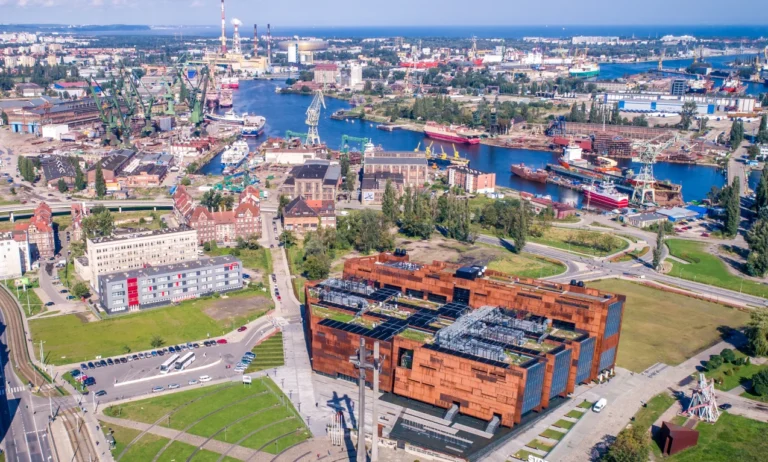
The European Solidarity Center (ECS) in Gdańsk is a modern museum and educational center devoted to the history of the Solidarity movement and democratic changes in Poland and Central and Eastern Europe. Located in the symbolic space of the Gdańsk Shipyard, ECS offers a rich, interactive permanent exhibition that presents key events and figures related to the fight for freedom and human rights.
The center also has a library and an archive where visitors can deepen their knowledge. Workshops, conferences and meetings with historical activists are regularly organized. The building, distinguished by its modern architecture, is fully accessible to disabled people, has a catering zone and relaxation spaces.
ECS is an important place of memory and education, encouraging reflection on the value of solidarity and cooperation in today’s world.
The most popular attractions
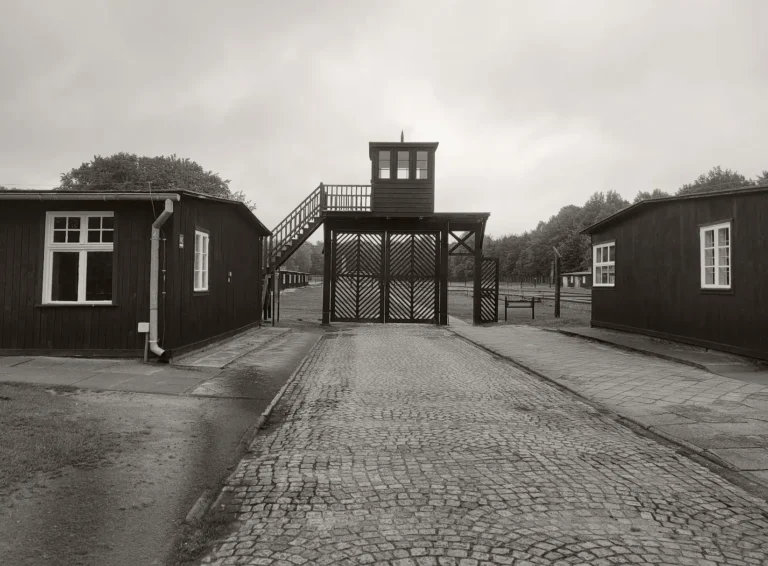
Stutthof Museum in Sztutowo
 11524 reviews
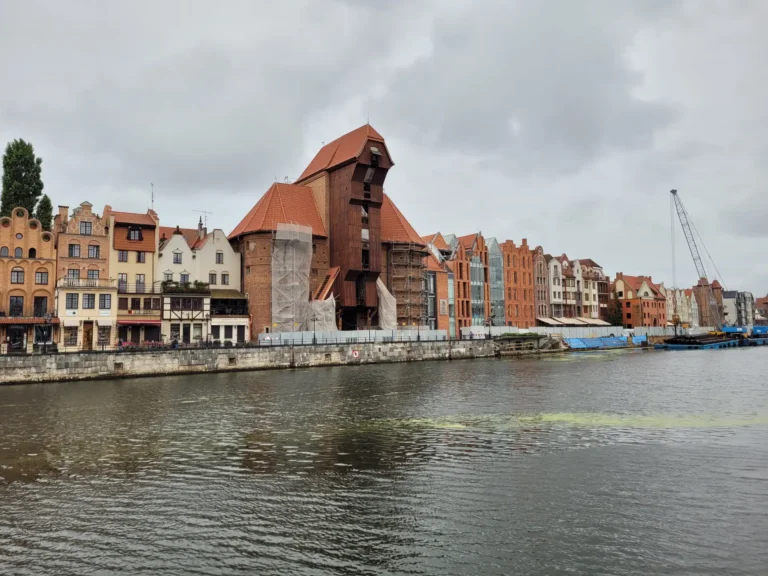
Old Harbor Crane
1959 reviews
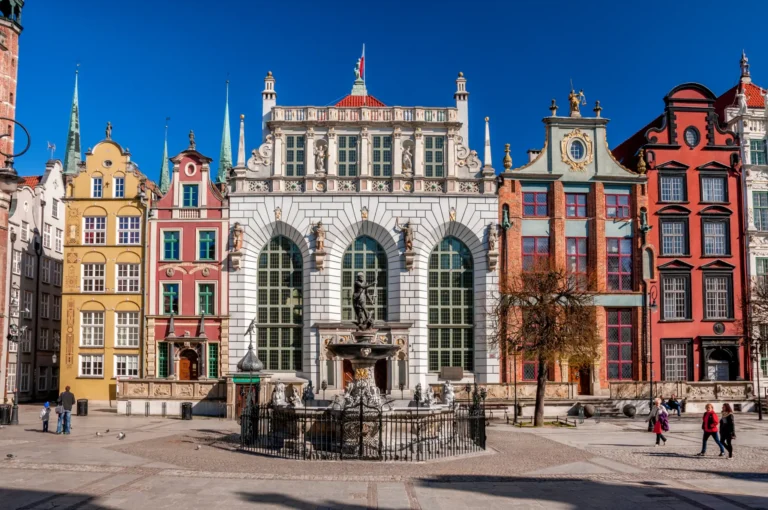
Artus Court
2552 reviews
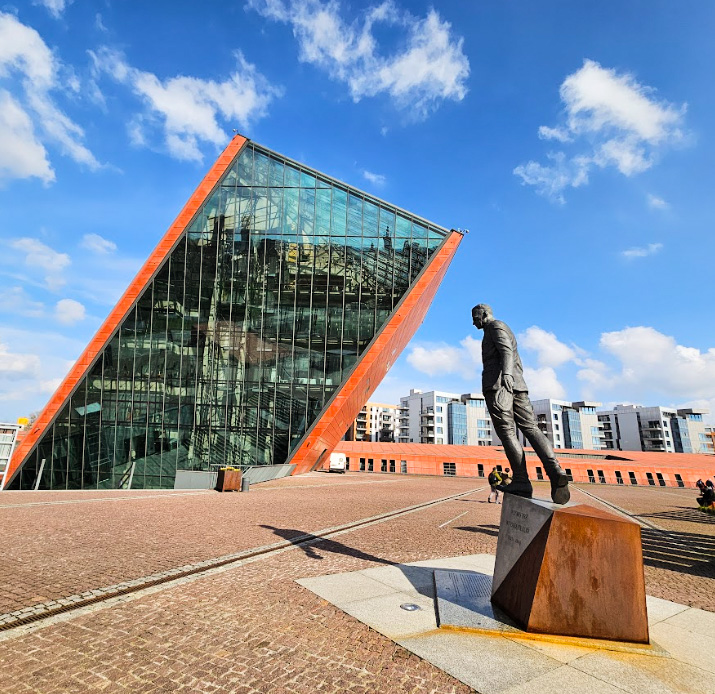
Museum of the Second World War in Gdańsk
54660 reviews
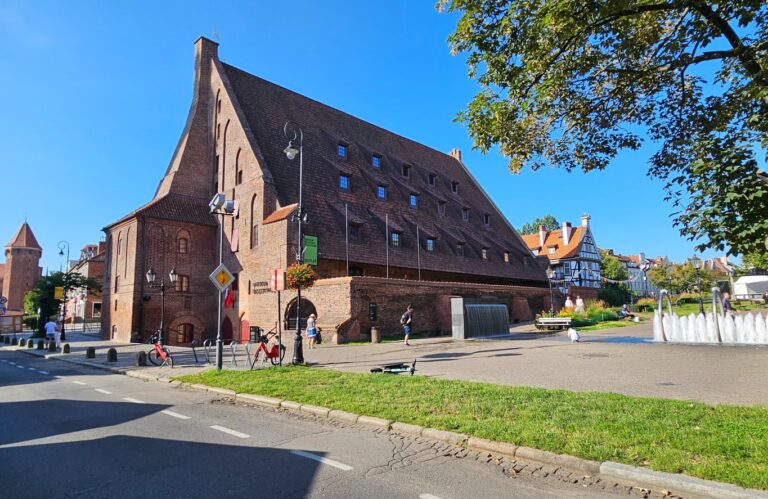
Amber Museum
12688 reviews
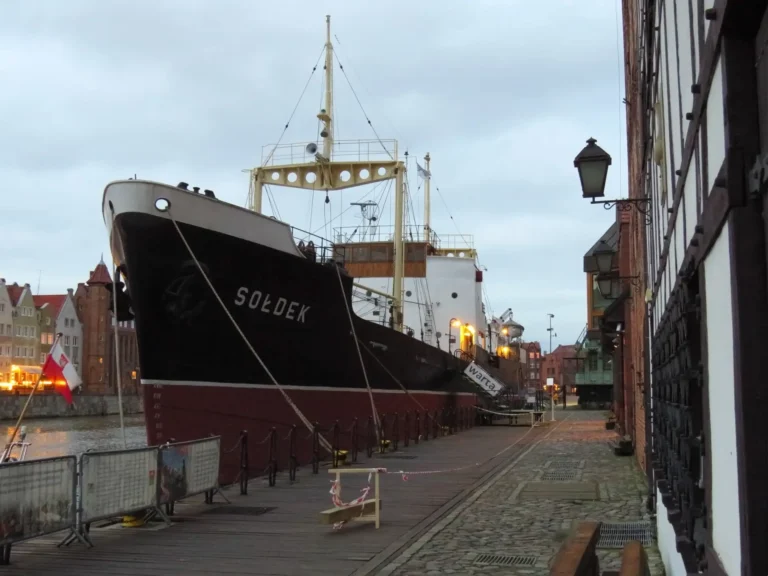
“Sołdek” Ship Muzeum
3260 reviews
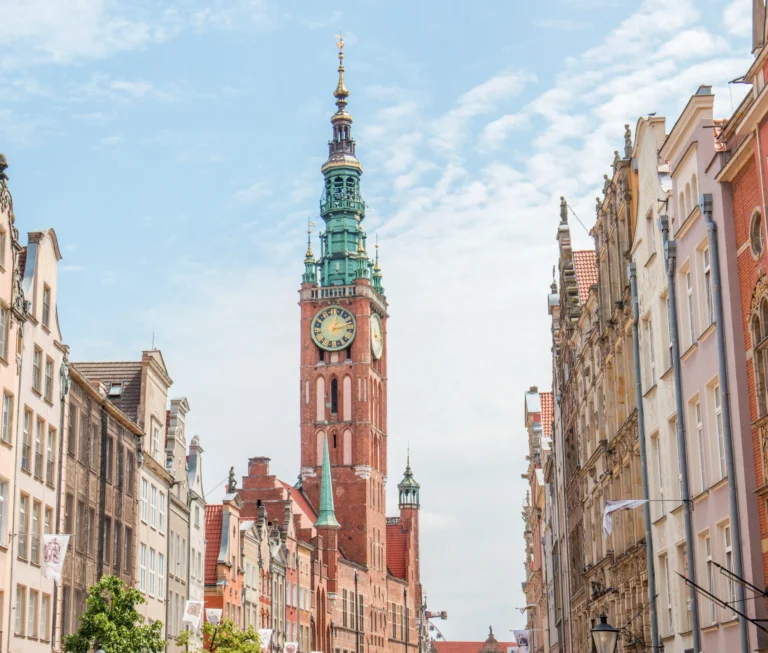
Main Town Hall
2552 reviews